Why Wet Grinding is the Secret to Better Product Quality
- seosearchedges
- Mar 30
- 3 min read

Are you curious as to how the stones, powders, and slurries are made into a final product that looks as good, feels as good, and is free from any lumps? When you look at paint, make-up, or many other consumer products closely, you will not see any lumps or particles that are like rocks or pebbles; they will be as smooth as a baby's bottom. The reason for that is due to a manufacturing process known as wet grinding.
As a manufacturer or someone in the manufacturing industry, if you are not familiar with the process of wet grinding, it will radically change the way you manufacture your products. So, let's take a look at what a wet grinding system is and the reasons it is important.
So what is wet grinding? Wet grinding refers to grinding solid particles down to very fine, ultra-fine particles while they are in a slurry. Think of creating a smoothie. If you have bananas, blueberries, strawberries, and other dry fruits, you will probably end up with a chunky powder with lots of dust created from the blender. However, if you add water or milk to the fruits before you start blending, the blades will quickly and evenly mix everything together to form a smooth liquid.
In manufacturing, the liquid used can be water, oil, or a chemical solvent, depending on the final product. This liquid plays a massive role. It prevents dust from flying into the air, making the factory a safer and cleaner place for workers. It also absorbs the heat that is naturally created when things are smashed together, preventing the product from burning or degrading.
The Role of Proper Machinery
A large kitchen blender does not suffice for manufacturing in an industrial setting. To accomplish the objective correctly high-quality wet grinding machinery is required. This machinery is constructed for heavy continuous use.
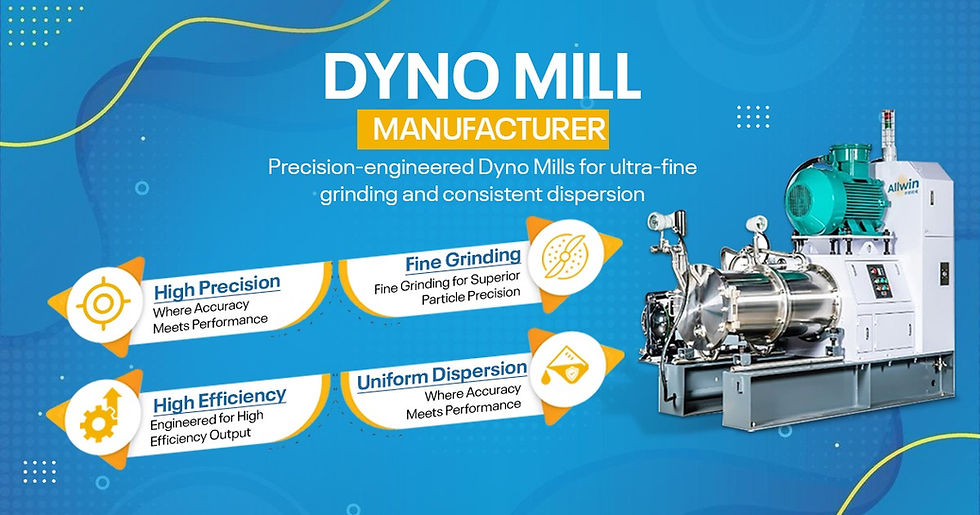
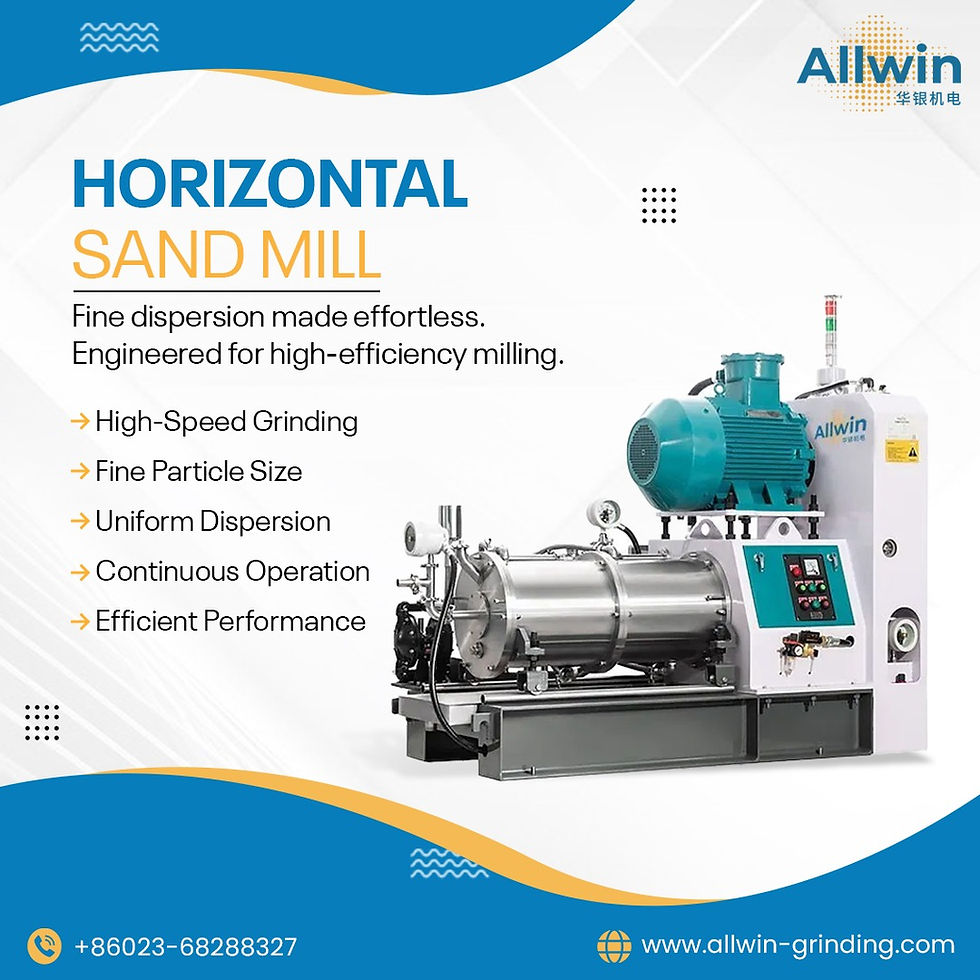
High-quality wet grinding machinery employs special processes to break down solid particles that are suspended in liquid, such as: rotating pegs, discs or small grinding beads. For example, when making printing ink, agricultural chemicals or pharmaceutical coatings, the right wet grinding equipment produces many consistent batches of products. When particulate materials have been ground down to the micron level, the resulting color in paints is more vivid and the active ingredients in medicine are more effective.
Putting It All Together
Remember: most machines do not work independently; they require a complete Wet Grinding System to operate efficiently in a factory.
So what does this mean? A complete system comprises all components required for processing and producing a particular item (e.g., tanks to hold raw materials, pumps to transport raw materials to the grinding machine, the grinding machine, and the filtration systems used to collect the product). Each component of the whole should be properly connected, programmed, and synchronized to provide an extremely efficient production line. An effective system will minimize waste, reduce energy consumption, and minimize down time for routine maintenance.
To Summarize
The quality of your finished product depends solely on how well your input materials are processed. Using the Wet Method to process your input materials, rather than the Dry Method, guarantees a smoother, more consistent, and safer end product. Investing in quality equipment and an efficient design will ensure that you satisfy your customers and maintain a steady production flow.

Comments