The Evolution of Fine Grinding: Innovations in the Horizontal Sand Mill and Wet Bead Mill
- seosearchedges
- Apr 16
- 3 min read

In the world of industrial manufacturing, the demand for finer particles is reaching an all-time high. Whether it is the paint on your car, the ink in your printer, or the specialized coating on your smartphone, everything depends on high-quality dispersion and grinding. Two of the most critical tools used to achieve this level of precision are the Horizontal sand mill and the Wet Bead Mill. These machines have revolutionized how we process raw materials, especially as the world shifts toward nanotechnology and high-performance electronics.
Why Particle Size Matters Today
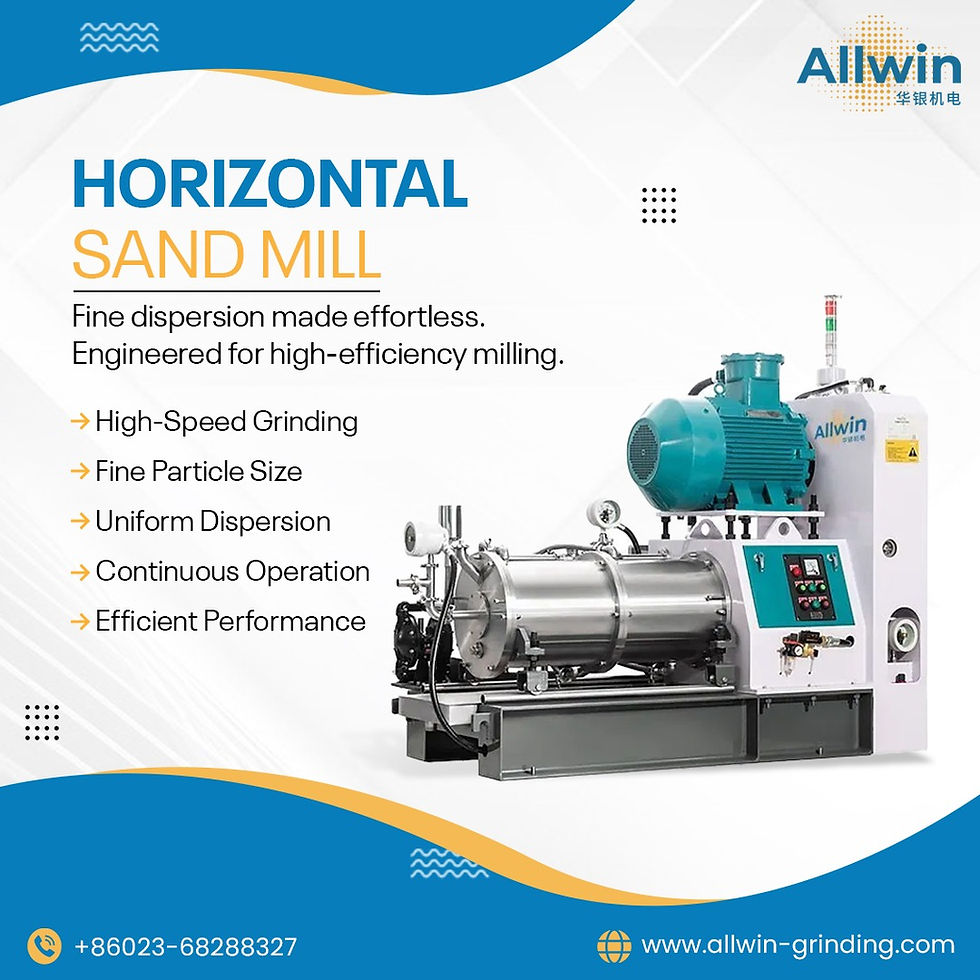
The global manufacturing trend is currently obsessed with "nano-materials." When particles are ground down to the micron or even sub-micron level, they take on new properties. For instance, in the pharmaceutical industry, smaller particles allow medicine to be absorbed faster by the human body. To achieve this, companies rely on the Horizontal sand mill. This machine is designed to handle high volumes of material while maintaining a consistent output. Because it operates horizontally, it provides a more uniform distribution of grinding media, which prevents the clogging issues often found in older, vertical models.
Understanding the Power of the Wet Bead Mill
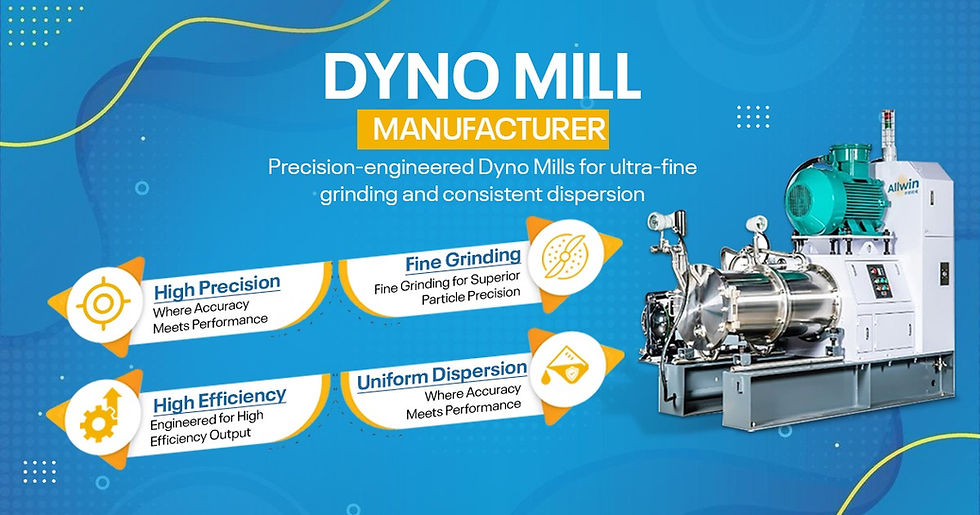
While there are many ways to grind materials, "wet grinding" is often preferred for heat-sensitive or very hard materials. The Wet Bead Mill is the undisputed king of this process. By using a liquid medium—such as water or a solvent—the Wet Bead Mill can keep temperatures low while using tiny ceramic or glass beads to bash particles into submission. This process is essential for the production of lithium-ion batteries, a trending topic in the United States as the transition to electric vehicles (EVs) accelerates. Without the precision of a Wet Bead Mill, the materials used in battery electrodes wouldn't be smooth enough to hold a high electrical charge.
Trending Applications: From EVs to Cosmetics
If you look at recent Google searches, you will see a massive spike in interest regarding "battery slurry processing." This is where the Horizontal sand mill shines. Manufacturers are looking for ways to produce battery components faster and with fewer defects. The Horizontal sand mill allows for continuous production, meaning a factory can run 20 hours a day without stopping to change the grinding media.
On the other hand, the cosmetics industry is increasingly using the Wet Bead Mill to create smoother foundations and more vibrant pigments. Consumers today want "high-definition" makeup that doesn't look grainy. By using a Wet Bead Mill, cosmetic chemists can ensure that the pigments are so fine they blend perfectly into the skin. This shift toward high-end, luxury finishes is driving a new wave of investment in wet grinding technology across North America.
Efficiency and Sustainability
Another major trend is the "green" movement in manufacturing. Companies are looking for machines that use less energy but produce more output. A modern Horizontal sand mill is built with energy-efficient motors and advanced cooling jackets. This reduces the carbon footprint of the factory while also lowering the electricity bill. Similarly, the Wet Bead Mill has seen improvements in its "media separation" technology. In older machines, separating the beads from the final product was a messy and wasteful process. New designs ensure that every bead stays inside the chamber, making the Wet Bead Mill more sustainable and cost-effective than ever before.
Maintenance and Longevity
For a business owner, the biggest concern is often the "cost of ownership." The Horizontal sand mill is favored because it is relatively easy to clean and maintain. Because the chamber is horizontal, gravity helps during the wash cycle, allowing for quicker color changes in paint factories. Regular maintenance of your Horizontal sand mill—such as checking the seals and the wear on the inner lining—can extend the life of the machine by decades.
In conclusion, as industries move toward more specialized and high-tech products, the tools we use must evolve. The Horizontal sand mill and the Wet Bead Mill are no longer just optional pieces of equipment; they are the backbone of modern production. Whether you are working in the automotive, pharmaceutical, or electronics sector, understanding how to leverage the power of a Wet Bead Mill or a Horizontal sand mill is the key to staying competitive in a global market.

Comments