The Magic of Tiny Particles: Understanding the Nano Bead Mill
- seosearchedges
- Mar 6
- 4 min read

Did you ever think about what makes your pen ink so easy to write with or modern medicines so fast to be absorbed in your body? The answer has a lot to do with how tiny the particles inside that product are. In manufacturing, smaller is typically better. And that's where a special piece of machinery called a nano bead mill comes into play.
What does a bead mill do in this scenario?
While grinding is certainly one of its functions, there's another more pivotal purpose for a bead mill – that being the creation of a uniform dispersion of fine materials or nanoparticles within liquids for suspension. They're commonly used in many industries; paint is an excellent example of this type of product.
If you're an industrial novice and are trying to learn about how things are produced, this blog post will provide an overview of these machines, why they are essential, and getting in touch with the right bead mill manufacturer.
By grinding the pigments or colorants, a bead mill creates very small, uniform particles, which can then be suspended in a fluid (or liquid medium) and die-cast/painted onto a smooth surface (or substrate). The result will be a lasting, visible coating that adheres to the substrate and is not easily removed.
What Are The Benefits from Nano Particles?
You may be thinking: Why would I want to make something so small? The answer is; because of how dramatically the characteristics of a material change when we reduce them to sizes in the nano range.
Improved Colour and Shine: Paints and inks: Smaller particles mean brighter colours and shinier finishes. The smaller particles also eliminate blockages in nozzles used for inkjet printing.
Drug Efficiency: The pharmaceutical industry faces a challenge with the many drugs that do not dissolve well in water. Using a Nano-bead mill allows for an increase in surface area, which allows the medicine to be absorbed into the body more quickly and effectively.
Cosmetic Products: When nano-grinding, both sunscreens and lotions will have a smooth feeling on the skin rather than feeling coarse. Additionally, mineral sunscreens will appear to be clear instead of white after application.
Batteries: The use of ultra-fine materials in creating lithium-ion batteries is key to their energy storage efficiency.
What is the Process? The Use of the Nano Bead Mill
How do we process raw materials into parts too small to be seen? You can't just use a hammer or very large crusher to achieve this. You will need a different type of machine called a Nano bead mill.
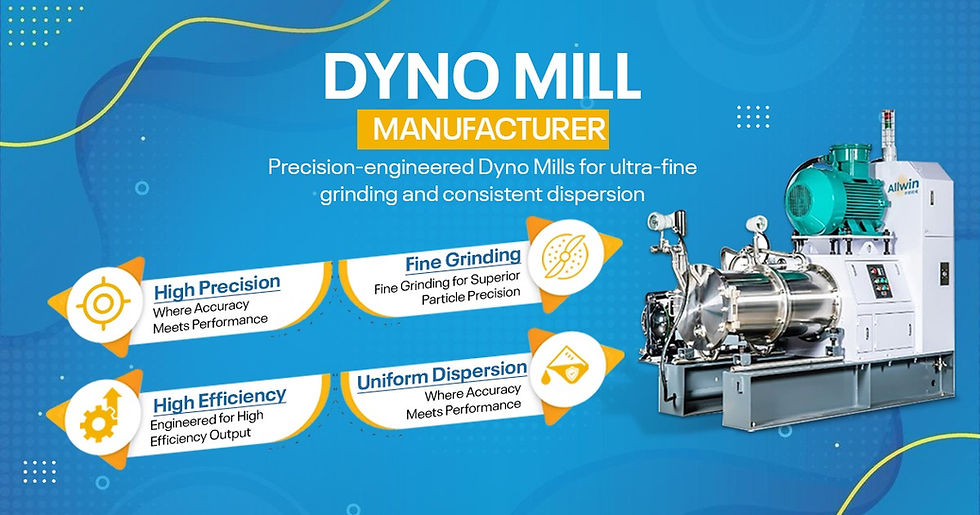
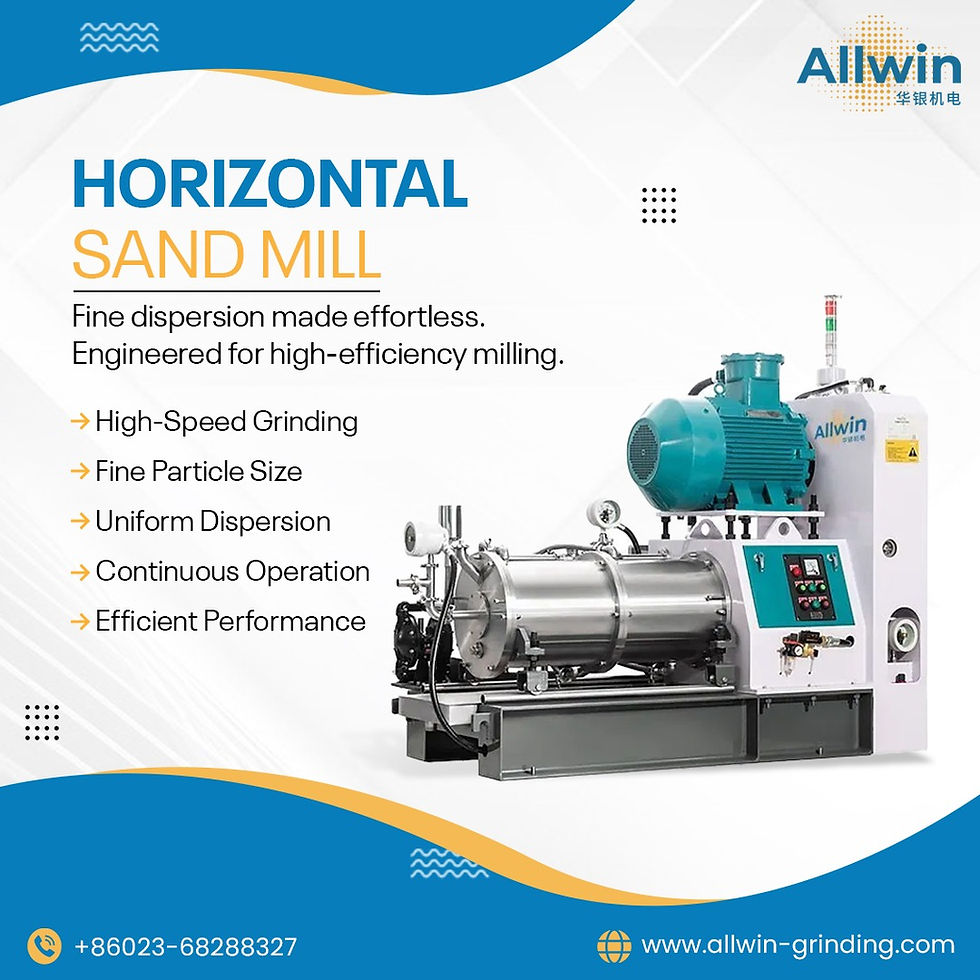
This machine looks like a very high-tech blender except that all it has inside it are thousands of very tiny, heavy beads made from ceramic (or similar materials). Inside of the blender-type machine, you will pump the product's liquid mixture into the machine's enclosed section. Once the liquid product is inside the enclosed section; there is a rotor that spins these tiny beads at very high speeds.
Once the tiny ceramic beads are spinning at very high speeds, they go around the enclosed section colliding with the product particles creating a high amount of force and speed. Then, through shearing and impacting forces, the product will be ground down to the nano meter level. All of this would not be possible without the precision of the Nano bead mill.
Choosing the Right Bead Mill Manufacturer
As a corporate owner of a medium-sized manufacturing company that produces paints or pesticides, or711e looking at battery manufacturing needs, the machine you purchase will be your most important investment, so it's important to take your time deciding on which bead mill manufacturer you select.
All bead mills are not created equal and so there are three things to consider when you research a manufacturer of bead mills:
Material Quality: The inside of the mill takes a beating. The manufacturer should use high-grade, wear-resistant materials (like Zirconia or Silicon Carbide) for the grinding chamber. If the machine wears out quickly, it can contaminate your product and lead to expensive repairs.
Cooling Systems: Grinding creates friction, and friction creates heat. Excessive heat can ruin sensitive products like medicines or chemicals. A top-tier manufacturer will design mills with efficient cooling systems to keep the temperature stable during the process.
Lab Testing and Support: A reputable manufacturer won't just sell you a machine and disappear. They should offer a lab facility where you can test your specific product on their machines before buying. They should also provide training to your staff on how to operate and clean the mill.
In summary, the nano bead mill is an unsung hero of contemporary manufacturing. Ultra-fine grinding technology improves every product from your handheld devices to your medicine locker by making it better, safer and more efficient.
But the technology is only good if there is a reputable company to support it. If you are a manufacturer in the chemical, food or pharmaceutical industries, then partnering with an experienced bead mill manufacturer will enable you to access the precision and durability necessary for you to remain competitive. By learning the fundamental knowledge about this technology, you are now ready to explore the possibilities that exist at a microscopic level.
Click here to read more about lab related grinding systems

Comments