How to Use Laboratory Bead Mills to Optimize Your Wet Grinding Equipment and Wet Grinding System
- seosearchedges
- Feb 12
- 3 min read

In many industries, from making bright, colourful paints to creating effective medicines, the size of the particles matters a lot. If the particles in a liquid are too big, the paint might look gritty, or the medicine might not work as fast as it should. This is where the process of grinding comes in. While many people think of grinding as crushing dry rocks, in the chemical and manufacturing world, "wet grinding" is a crucial process.
Today, let’s talk about how this process works, starting from the testing phase with Laboratory Bead Mills all the way up to the full Wet Grinding System.

Prototyping: Molding Equipment
Laboratory bead mills are the tools necessary for prototyping your formulas. Most formulas require validation before the manufacturer commences production. When trying to find the optimum formula, it is critical that manufacturers are able to evaluate the possibilities without risking waste of raw materials.
The laboratory bead mill is a small scale, laboratory version of a full-sized factory bead mill, and is used in research and development phases of a manufacturer to create small samples of product. The research scientist or technician will create small amounts of batches using a bead mill that will allow them to experiment with various speeds, bead types, and temperatures. Once they have established the optimum criteria for size reduction in a laboratory, they have the benchmarks needed to translate their findings into the actual manufacturing beads. Prototyping in a laboratory bead mill helps lower the costs associated with failed prototypes by allowing for smaller batch sizing, lower operating costs, and lower raw material usage as opposed to manufacturing models on production scales.
Scaling Up To Equipment for Wet Grinding
Once laboratory tests were completed with success, it was time to move to production and this is where Heavy-Duty Equipment for Wet Grinding becomes necessary. Unlike Dry Grinding, where lots of dust and heat are generated, Wet Grinding is done by using a Liquid Slurry.
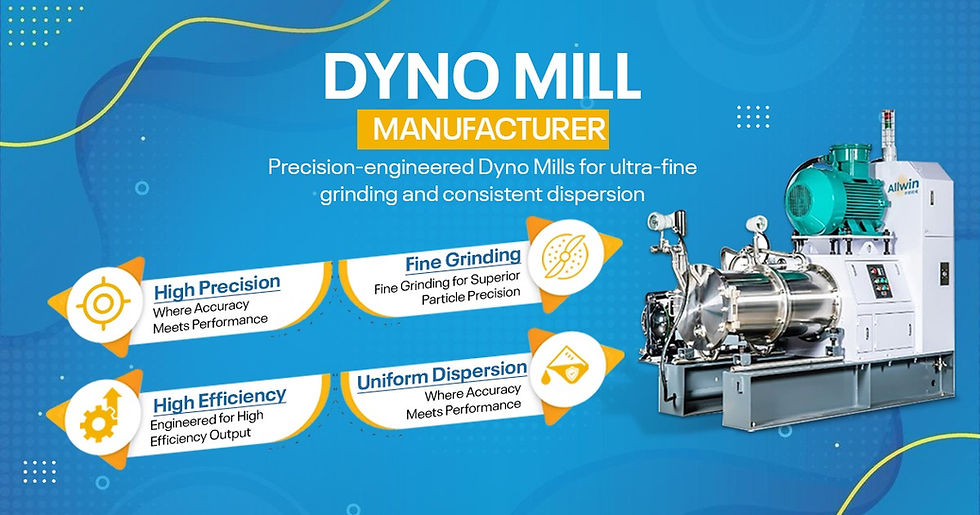
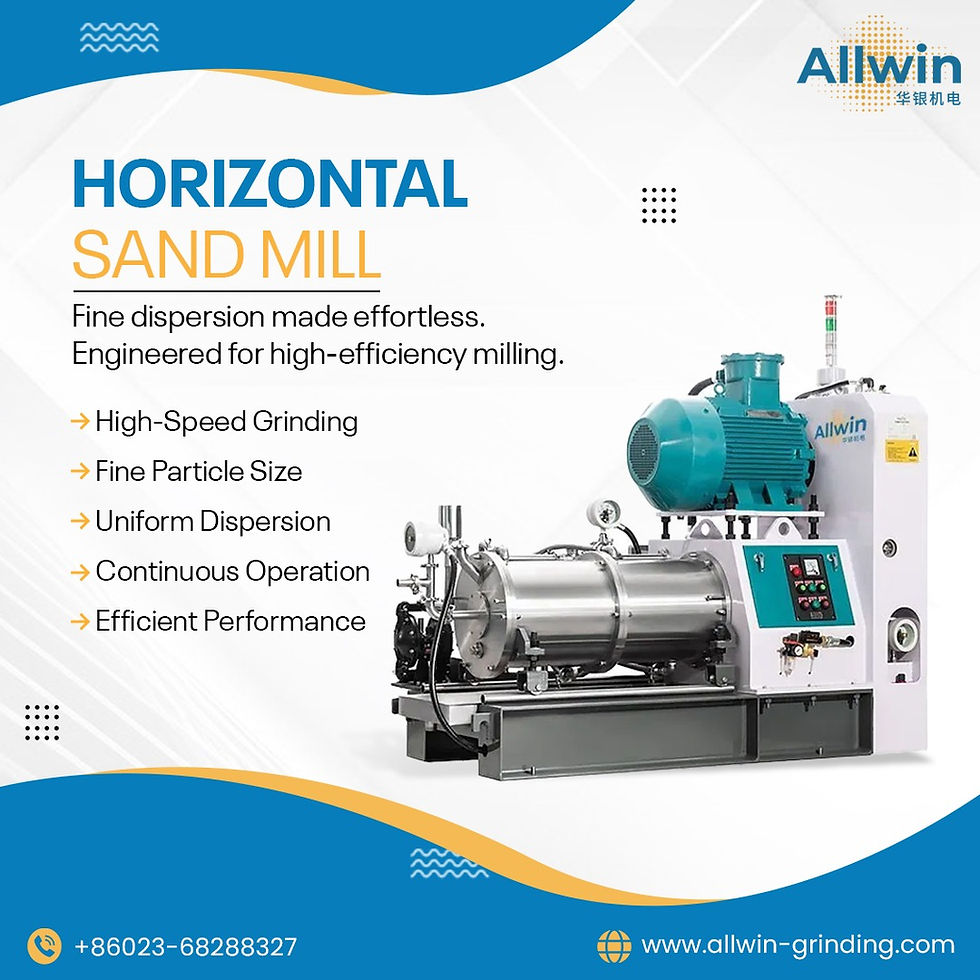
Wet Grinding Equipment has been designed for use with high viscosity (thick) liquids as well as for heavy-duty use with tough materials. When you open up your Wet Grinding Machine, you will see a lot of tiny balls inside, which are made from either Ceramic or Glass. When you turn on the machine and let it spin, these tiny balls will hit your product and crush whatever is in the bowl down to a Microscopic size.
One of the largest benefits of using Wet Equipment is that it produces a more Fine and Smooth Result than Dry Milling. This is why the ink flows freely from your pen and why automotive paint has such a high Gloss Finish.
The Complete Wet Grinding System
It is important to remember that the mill is just one part of the puzzle. A complete Wet Grinding System involves pumps, cooling systems, and control panels.
When you are setting up a manufacturing line, you need to look at the system as a whole.
Feeding: How does the material get into the mill?
Grinding: This is where the mill does the work.
Cooling: Grinding creates friction, which creates heat. A good system needs to keep the product cool so it doesn't burn or degrade.
Discharge: How do you get the finished product out and separate it from the grinding beads?
In summary
A good product is achieved by having a good particle size, regardless of whether you are in pharmaceuticals, cosmetics, or chemicals. The first step in obtaining a good particle size is to test your formulation with Laboratory Bead Mills. After you have the data, you can feel confident that you have invested in good wet grinding equipment.
Manufacturers gain assurance that their finished products will be stable, smooth, and of high quality once they understand how a complete wet grinding system functions from laboratory-sized beakers to production-scale tanks and the technology driving both.
Read more: click

Comments