Essential Guide to Grinding Media and Equipment
- seosearchedges
- Mar 13
- 3 min read

How to Choose The Perfect Media To Grind
In numerous industries, grinding and milling are some of the most important parts to ensure your finished product meets your standards. How you choose your grinding media (the balls or beads used to perform the actual grinding) will have a huge effect on efficiency, product purity, and the overall cost of operation. Here we will review the most common types of media and how they can be used.
Stainless Steel Media: Strong, Flexible Media
Stainless steel grinding media is one of the most frequently used medias in the industry today. What makes stainless steel media so versatile is its superior durability and ability to withstand heavy-duty applications.
Benefits of Stainless Steel Media:
High Density- This allows for greater efficiency in grinding
Durability- Stainless steel media lasts longer than other types of media, reducing the frequency of replacement
Cost Effective- Has a good balance of performance to cost
Can Be Used in Wet or Dry Applications- Due to its versatility in the many applications you can use it for
Corrosion Resistant- Due to the premium grade quality of the media you use.
Purity and Precision: Ceramic Grinding Media
Ceramic grinding media are the best choice in environments where contamination of materials must be avoided. Ceramic grinding media are made from material such as alumina, zirconia, or other ceramic compounds.
The Benefits of Ceramic Grinding Media:
Zero Contamination - This is the ideal product to use for pure white or light products
Great Wear Resistance - Especially with premium grade products such as zirconia
Excellent For Fine Grinding - Means that the end product will be very small particle size
Chemical Inertness - Which means that it does not react with most materials
Available In A Wide Variety Of Sizes - Such as large balls, micro beads, etc.
The major industries using ceramic grinding media are pharmaceuticals, food product processing, cosmetic and electronic material, and high purity chemical products. While ceramic grinding media are usually higher in cost than steel media, the contamination-free processing they provide can offset the increased cost.
Pesticides must be ground and dispersed according to their special requirements of being able to be handled in a way that is safe for operators and users as well as meet their necessary particle size for effectiveness as crop protection products.
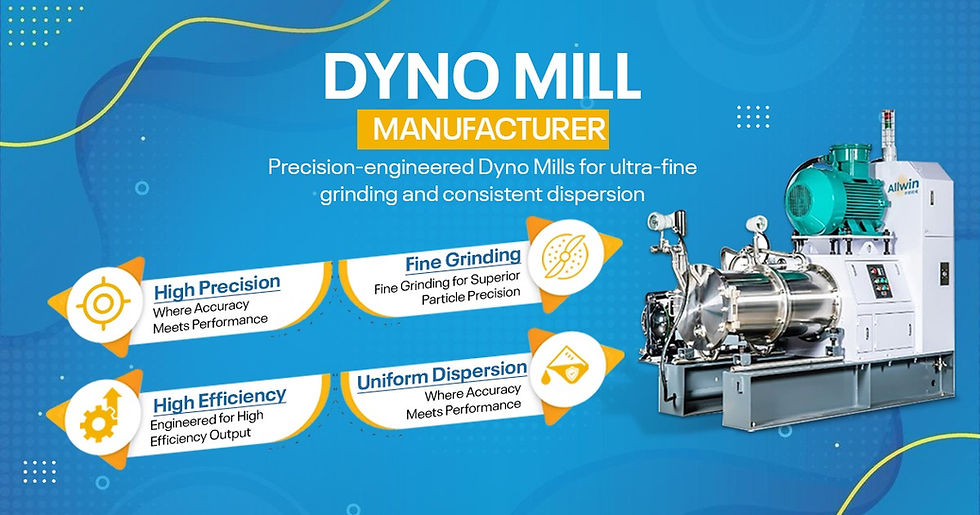
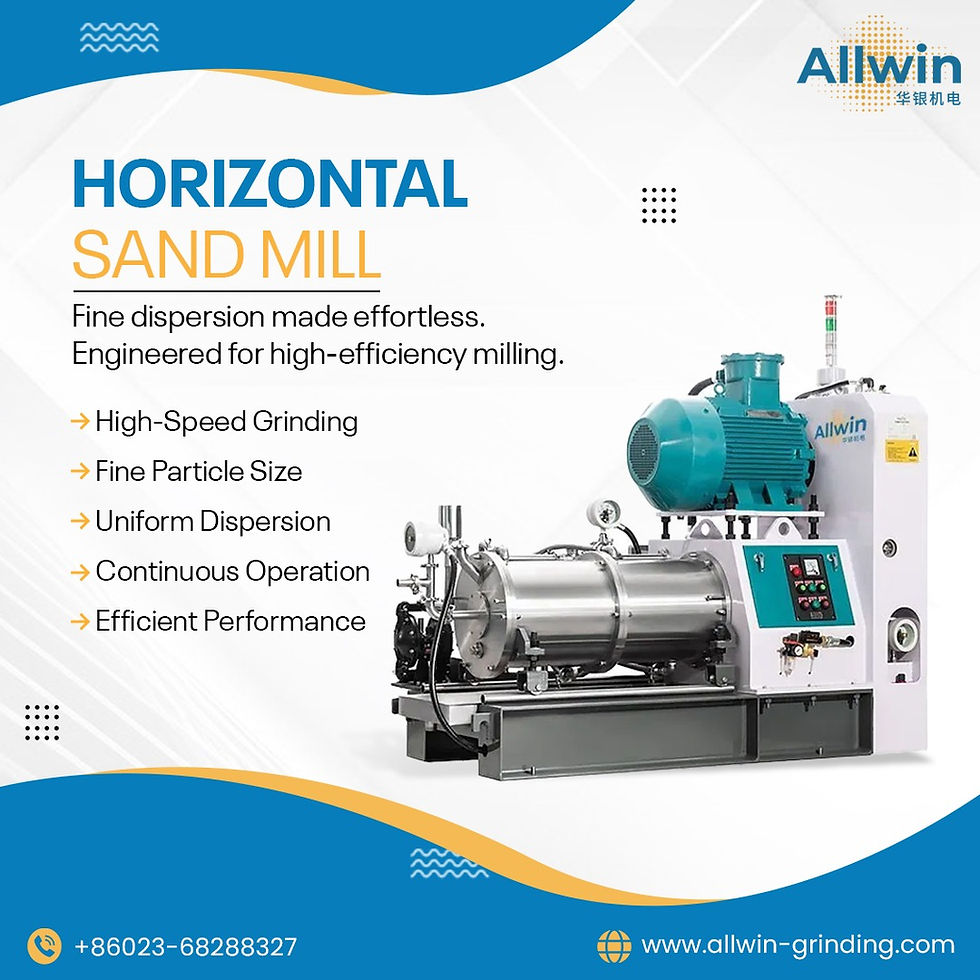
Modern equipment for pesticide grinding machines provides:
1) Sealed Processing: protects operators and the environment;
2) Precise Control of Particle Size: ensures effectiveness;
3) Efficient Dispersion: creates stable formulations;
4) Easy to Clean: avoids cross-contamination of batches;
5) Compliance with Safety Standards: designed for handling hazardous materials.
Most of these machines are equipped with both grinding and dispersing functions, typically using either stainless steel or ceramic grinding media depending on the formulation requirements.
Choosing Media for Your Application
Stainless steel versus ceramic grinding media is determined by a number of factors:
Product purity – Ceramic media eliminates contamination
Grinding intensity – Steel is better for aggressive grinding
Cost – Steel is typically less expensive
Material compatibility - The materials being ground must be compatible with the media
Final particle size - Ceramics grind finer than steel
Maintenance & Best Practices
To optimize the performance and product quality of your pesticide grinding machine and all other types of grinders, ensure proper maintenance through regular checks, appropriate cleaning procedures, and timely media replacement.
Conclusion
Whether you're processing pesticides, paints, pharmaceuticals, or other materials, choosing the right grinding media and equipment is crucial. Stainless steel grinding media offers durability and cost-effectiveness, while ceramic grinding media provides purity and precision. For specialized applications like agrochemicals, a dedicated pesticide grinding machine ensures safety and quality. Evaluate your specific needs carefully to make the best choice for your operation.
Read more: click

Comments