Crushing It: A Simple Guide to Bead Mills, Stainless Steel, and Ceramic Grinding Media
- seosearchedges
- Feb 26
- 4 min read

If you are involved with one of the many types of paint manufacturers; ink producers; mining companies; or food processors (specifically chocolate); you will know that having a product that is as "smooth" as possible is an overriding objective for the manufacture of these types of products. In order to achieve a perfectly smooth product, it is necessary to grind the solid particle size down to a micro size using a number of different ways.So, how do you actually achieve this? You can't use a hammer to pound out the micro-sized particles you are trying to make, instead you use very specialized equipment in conjunction with thousands of small beads.In this article we will explore each of the three main segments related to achieving your desired result by reviewing: the use of a bead mill; stainless steel grinding media; and ceramic grinding media as part of your bead milling process and help you to determine which is more appropriate based on what you need to accomplish.

What does a Bead Mill do?
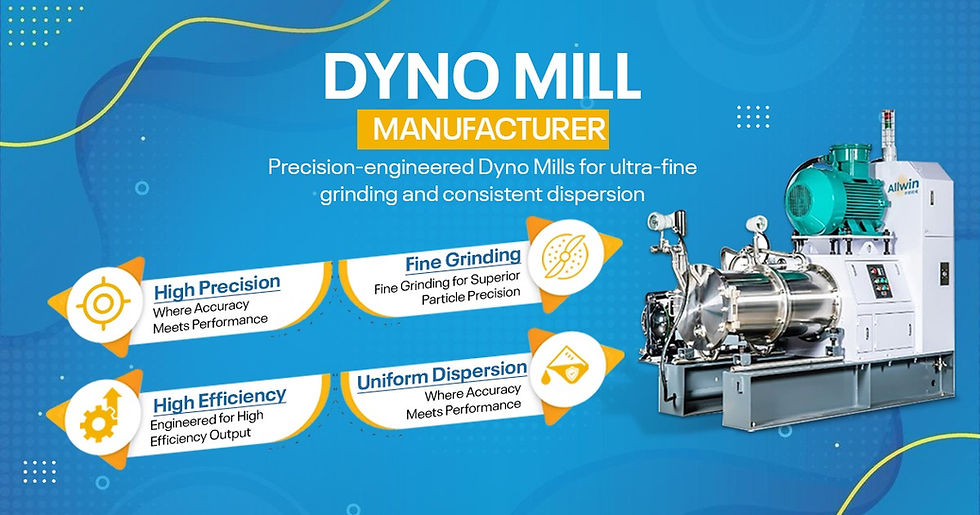
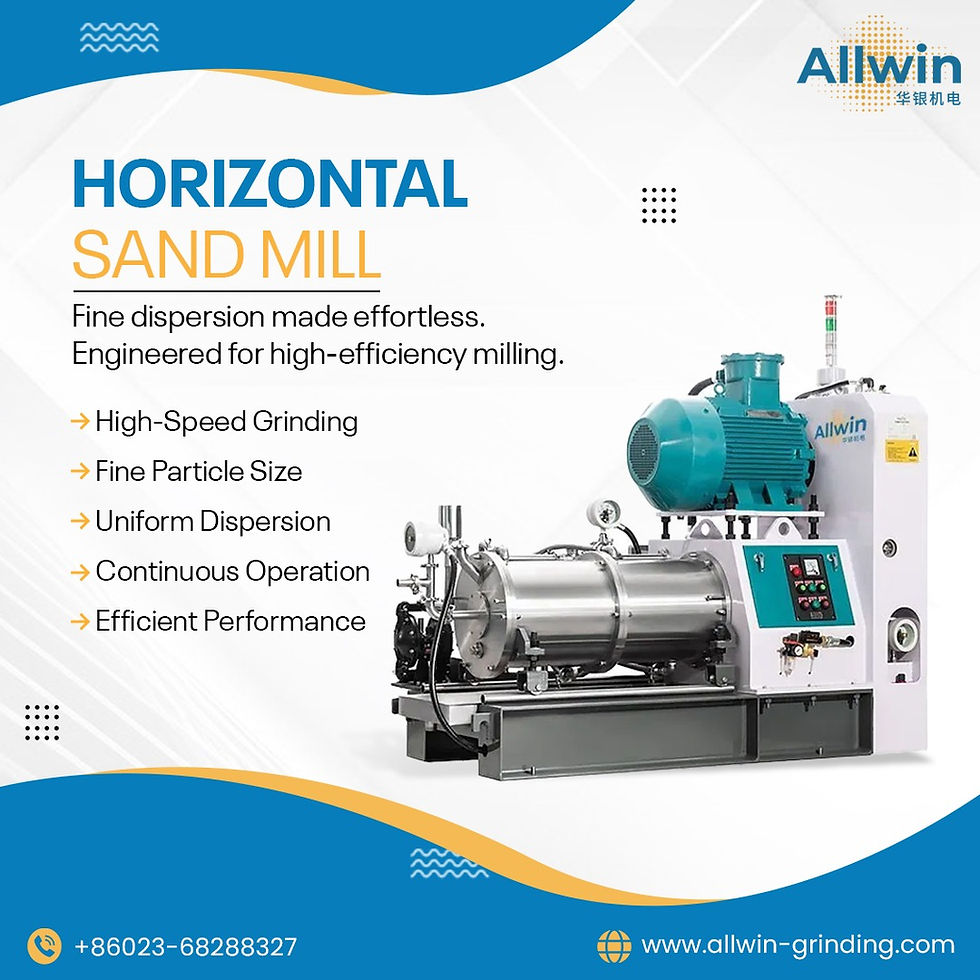
A bead mill is an important piece of equipment used to process materials by means of mechanical impact, or grinding.
A bead mill consists of a cylindrical vessel (tank) that contains both the material to be processed (let’s use liquid paint as an example) and thousands of very tiny ceramic or steel balls (commonly referred to as “beads” or “media”), which serve to grind down those material particles.
When the material and the beads are placed inside the tank, a rotating shaft is spun at high speeds, creating a vortex effect inside the tank. This rotational force causes both the liquid and the beads to swirl around this vortex. Through friction created between the beads and the wall of the tank and through the forces generated during the collisions of the beads with one another and with the particles of your material, the liquid material particles are reduced to extremely small and smooth size.
Essentially, a bead mill operates just like an extremely large and high-speed blender except it relies on the contact points) created between the beads and their impact on the particles (less than 50 microns) to grind, shear, and produce an extremely finely-crafted product instead of relying exclusively on blades.
However, as with most machinery that produces a quality product, a bead mill can only produce a quality product if it uses quality grind media to perform the grinding process. Therefore, selecting which type of grind media (ceramic or steel) to use within the bead mill is an extremely important decision!
Stainless Steel Grinding Media is the preferred type of media for those companies that utilize steel for their industrial grinding needs. Historically, steel has been used in the grinding industry, but the development of stainless steel as a manufacturing product has created a new player in the grinding industry.

Benefits:
Stainless Steel is heavy and therefore provides greater "punch" on the materials being ground. When a heavy ball impacts a product, such as a thick, sticky liquid (examples include chocolate and nut butters), that impact creates greater force than it would with a lighter ball.
Advantages:
Stainless Steel provides durable long-lasting materials, yet does not break or chip like ceramics. Stainless Steel also provides a cost-effective solution; generally speaking, the upfront cost is less than an equivalent ceramic media. Finally, the heavy weight of Stainless Steel creates more rapid processing of thicker, higher viscosity materials.
Disadvantages:
One of the disadvantages of Stainless Steel is possible contamination. Stainless Steel, like any other material, will wear down over time, thus providing an opportunity for metallic pieces and parts to contact sensitive products such as pharmaceuticals and bright white inks.
Ceramic Grinding Media (The Clean Specialist)
Ceramic Grinding Media is found on the opposite side of the ring and is an alternative form of media. Unlike other types of ceramic media, ceramic grinding media is made from a more advanced material such as zirconia or zirconium oxide. This would appear similar to a pearl, as they are smooth and white in colour.
Ceramics are considered to be the best option for high-tech applications like those that are used to produce battery materials, pharmaceutical products and high quality inks. Therefore, ceramic grinding media is usually a first option for these applications when choosing media.
The Pros:
Purity: This is the biggest selling point. Ceramic is chemically inert. It won’t rust, and it won’t react with your chemicals. It keeps your colors bright and your medicines pure.
Hardness: High-quality ceramic beads are incredibly hard and smooth. They are gentle on the machine's internal parts because they are lighter than steel, but they are tough enough to grind down hard minerals.
Efficiency: Because they are so hard and smooth, they can be made into very tiny sizes (micro-beads) for nano-grinding.
The Cons:
The main drawback is the price. High-quality ceramic media costs more than steel. However, because they last a long time, the long-term value is often worth the investment.
Steel or Ceramic? That’s the question: When selecting steel or ceramic as your grinding medium, base your choice on the ultimate outcome of the finished product.
In the event you are grinding chocolate, or grinding a dark, heavy industrial coating with a particular cost sensitivity and where the presence of small amounts of iron hardware is acceptable, the use of steel as your grinding medium will provide you with a great deal of strength.
On the other hand, if you are creating bright yellow ink for use in an ink jet printer or creating the slurry material for a lithium-ion battery, then you will need the utmost cleanliness and precision that can be achieved when using ceramic as your grinding medium.
When you choose the appropriate medium to be used in conjunction with your mill, you can be assured of an uninterrupted production run — and, hence, an uninterrupted finished product!
Read more: Click

Comments